
Wheel Loader Bucket Types Explained: Gravel vs Snow
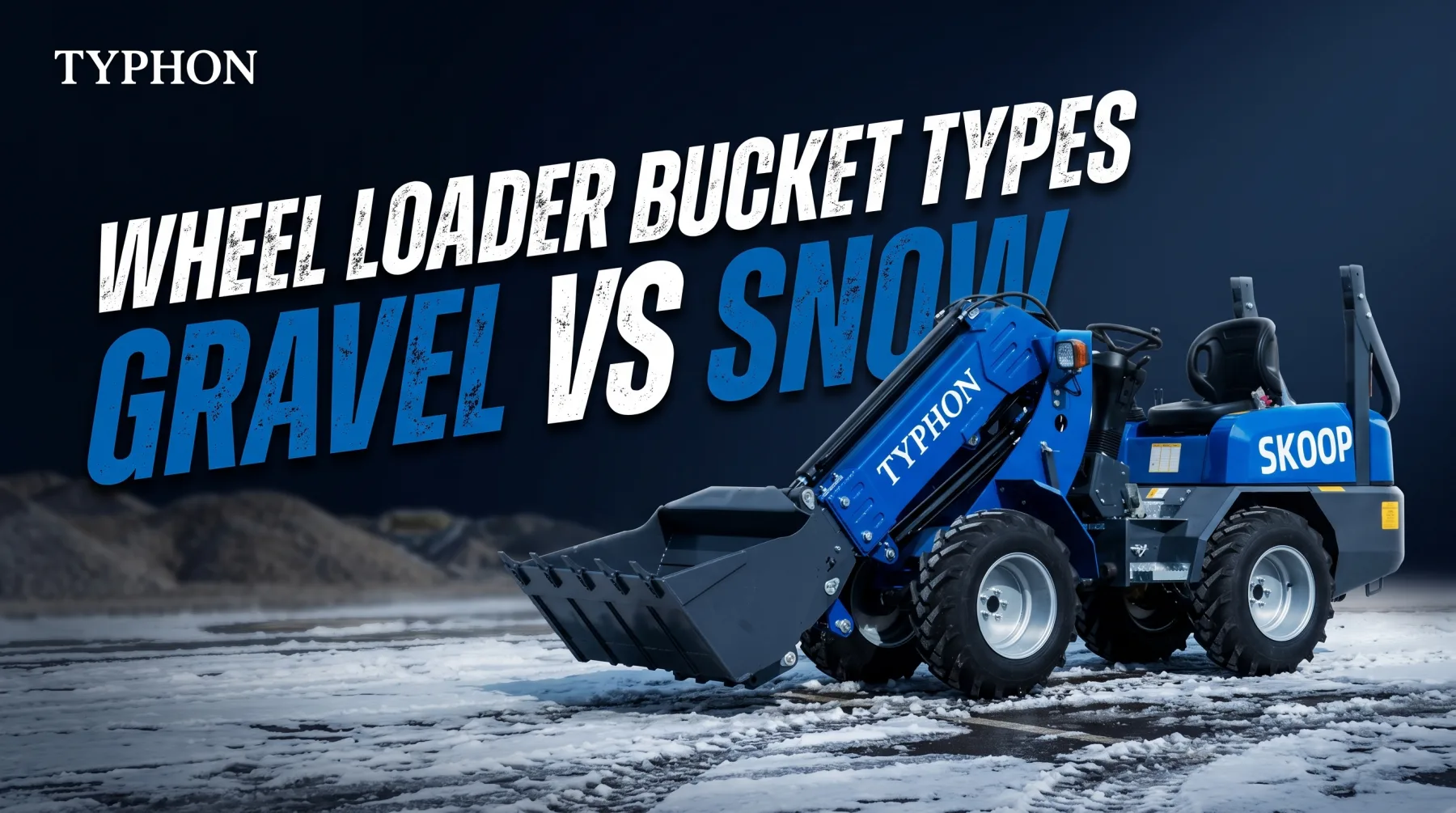
A yard crew grabs the only bucket hanging on the rack, a heavy general-purpose unit, and heads out to clear a foot of overnight snow from a parking lot before the morning rush. The bucket scoops fine, but it holds a fraction of what the job needs, so the operator makes twice the passes and burns twice the fuel. Meanwhile, the same crew later tries to load crushed gravel with a big, lightweight snow bucket, and the thin edge starts curling and the machine strains under a load the bucket was never rated to carry. Neither task failed outright. The crew just fought the wrong tool through both jobs.
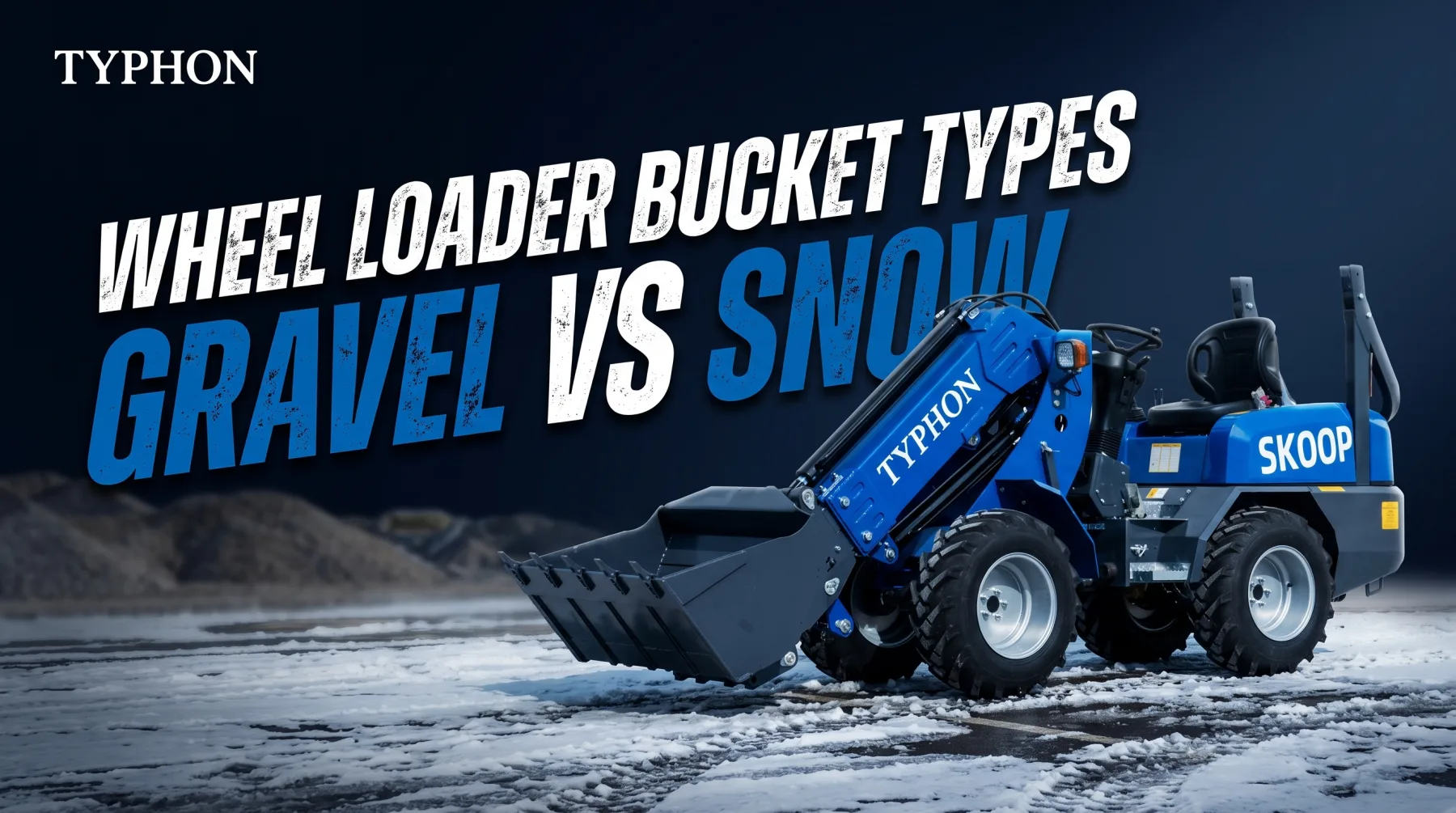
The choice between a gravel bucket and a snow bucket comes down to what you're moving and how dense it is. A gravel or general-purpose bucket is built tough and compact to handle heavy, abrasive material like rock, sand, and dirt. A snow bucket is built big and light to move a large volume of low-density material in fewer passes. Both bolt onto the same loader, but they solve different problems, and running the wrong one costs you time, fuel, and wear you didn't need to pay for. Here is how they stack up and when each one earns its spot.
Whether you're operating a skid steer, compact tractor, or wheel loader, matching the bucket to the material is one of the easiest ways to improve productivity. The right bucket helps the machine carry more efficiently, reduces unnecessary strain on the hydraulic system, and minimizes wear on the cutting edge and bucket structure. Understanding the strengths of each design allows operators to finish jobs faster, lower operating costs, and get the most from every loading cycle.
The Core Difference in Plain Terms
Strip away the specs and the split is simple. A gravel bucket is heavy-duty and sized for dense material. It carries a smaller volume because rock, sand, and soil weigh a lot, so the bucket has to stay compact enough that a full scoop doesn't overload the machine. The steel is thick, the edge is tough, and the whole thing is built to take abrasion day after day.
A snow bucket is the opposite build. It's large, wide, and light, because snow weighs a fraction of what gravel does. That bigger capacity lets you clear a lot in fewer trips, and the lighter construction keeps the machine balanced when it's carrying a load that would be dangerous at the same volume in rock.
Here's the key idea: a gravel bucket handles heavy material in smaller loads, while a snow bucket handles light material in bigger loads. When you know the density of what you're moving, the right bucket usually picks itself. If your operation swings between both jobs across the seasons, understanding your typical matters more than any single spec.
Bucket Design and Edge Type
Design is where the two split the clearest. A gravel bucket runs a shorter, deeper profile with a reinforced base and a straight or slightly curved cutting edge built to dig into piles and scrape hard surfaces. Many models take bolt-on edges or weld-on teeth so the bucket can bite into compacted material and stand up to constant contact with rock and grit.
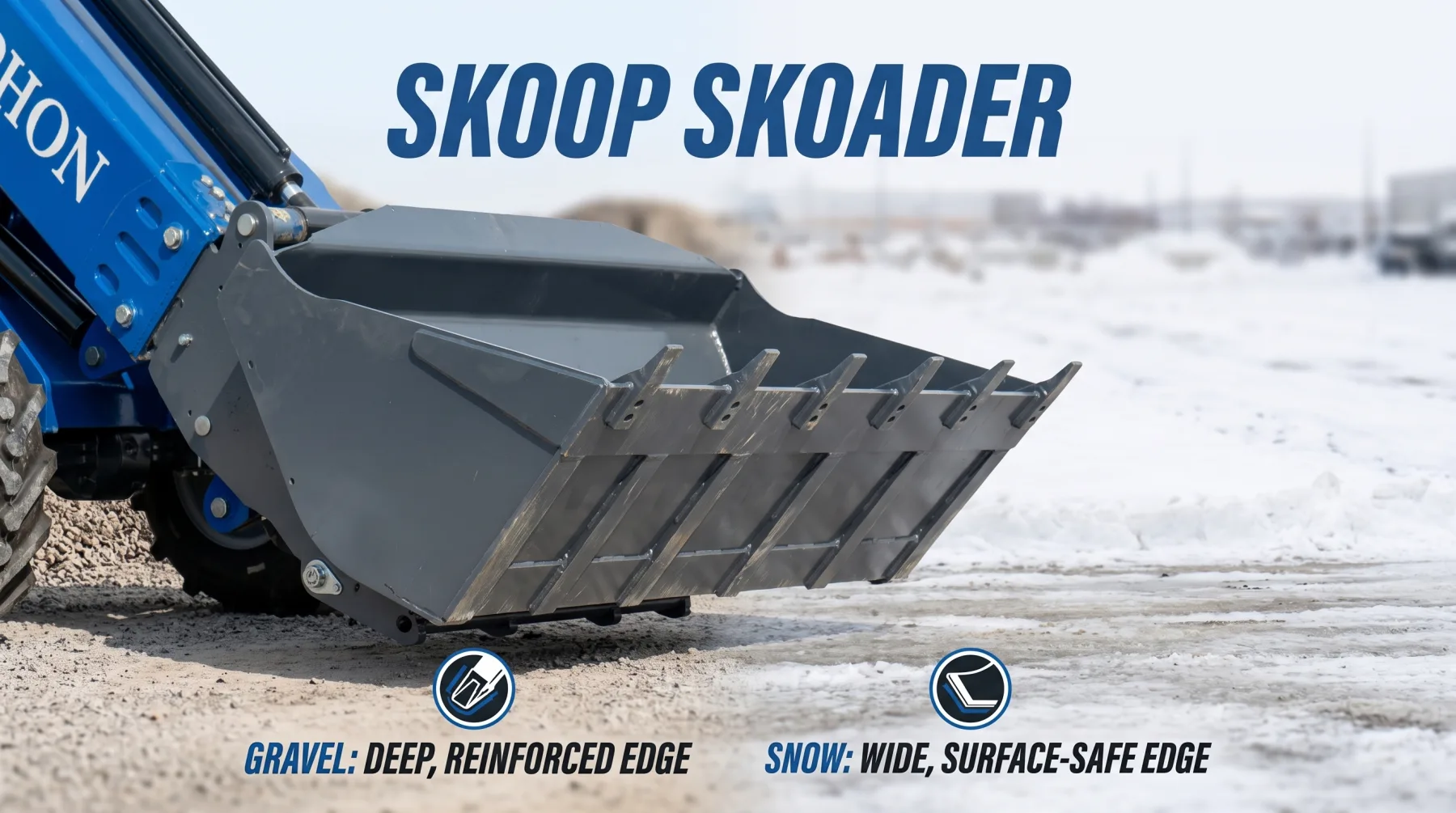
A snow bucket is wider and shallower, shaped to skim across a surface and roll a big volume of snow forward rather than dig into it. The edge is usually a smooth, sometimes rubber or urethane-tipped strip designed to glide over pavement without gouging it. That soft edge protects the surface and keeps the bucket clearing cleanly, which is exactly what you don't want on abrasive gravel work.
The difference in design comes down to the job each bucket is expected to survive. A gravel bucket is built around strength and penetration, accepting more wear because it spends its life pushing into heavy, abrasive material. A snow bucket is built around capacity and surface protection, prioritizing speed and clean removal over digging force. Using the correct bucket keeps the loader working efficiently, reduces unnecessary strain on the machine, and helps the attachment last longer in the conditions it was designed for.
Material Density and Weight Considerations
Density decides everything about how these buckets are matched to a machine. Gravel, sand, and wet soil are dense, so even a modest bucket fills up to a heavy load fast. Oversize a gravel bucket and you risk overloading the loader, straining the hydraulics, and tipping the balance forward, which is why gravel buckets stay deliberately compact. The rated capacity has to match both the material weight and the machine's limits.
Snow flips that math. It weighs so little that you can run a much larger bucket without coming close to the loader's weight limit, and that extra volume is the whole point. The danger with a snow bucket comes from using it for the wrong material. Load it with wet, heavy snow packed with ice, or worse, try to scoop gravel with it, and suddenly that big light bucket is carrying far more weight than it was designed to hold. Checking the bucket rating against the material keeps you from guessing.
Cutting Edge Durability
The edge takes the abuse, so it's built differently for each job. A gravel bucket needs a hardened, replaceable cutting edge because it's in constant contact with abrasive material that wears steel down fast. Bolt-on edges and teeth are wear items here, meant to be swapped when they dull, and running a worn edge means slower digging and more strain on the machine. Durability at the edge is the whole reason a gravel bucket lasts.
A snow bucket edge faces a gentler job but a different demand. It has to clear cleanly without tearing up pavement, so many use a softer strip that wears in a controlled way against a hard surface. That edge would shred quickly on gravel, which is exactly why you don't cross the two. Matching the edge to the surface and material, and keeping it on a steady, protects both the bucket and the ground underneath it.
Job Site Conditions
Conditions push you toward one bucket or the other fast. Gravel buckets belong in pits, quarries, landscape yards, and construction sites where the material is heavy and the ground is rough. They dig into piles, load trucks, and handle the abrasive, punishing work that would chew through a lighter bucket in a season. When the job is dense material and hard use, the gravel bucket holds the edge.
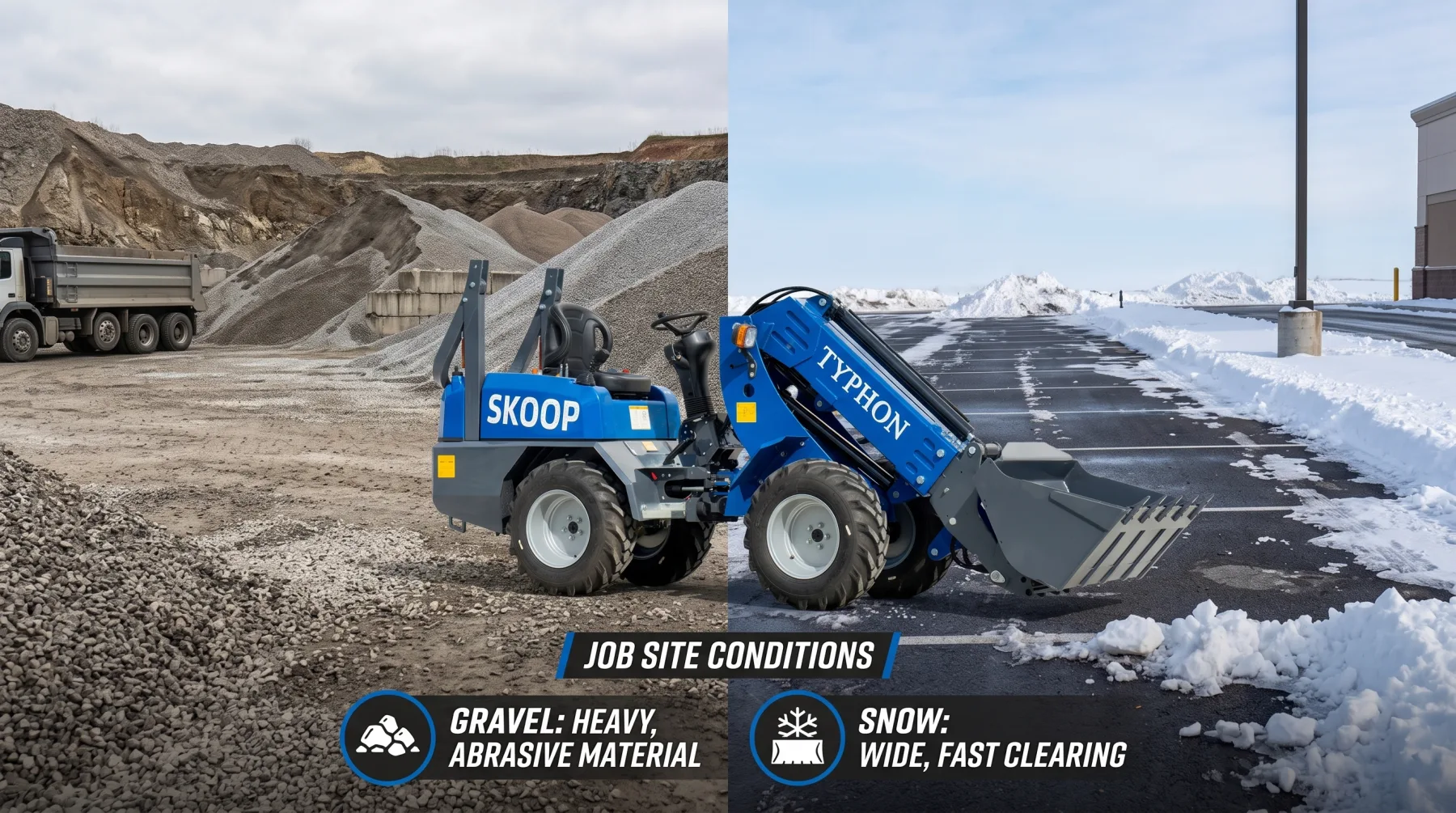
Snow buckets earn their keep on parking lots, roads, and open lots where the goal is clearing a large area quickly before it freezes or traffic builds. Their width and volume move snow in fewer passes, and the surface-friendly edge keeps you from scarring the pavement you're clearing. For seasonal crews, the snow bucket often sits idle half the year and then becomes the tool that keeps a site open through winter.
When Each Bucket Earns Its Place
Match the bucket to the material you handle most, not the widest range you can picture. Choose a gravel or general-purpose bucket if your work leans on moving dense, abrasive material, loading rock and sand, digging into piles, and feeding trucks across rough sites. Its compact size, thick steel, and replaceable edge make it the workhorse for year-round material handling, and for most loaders it's the bucket that stays on the machine.
Choose a snow bucket if your work involves clearing large areas of snow quickly, especially parking lots, roads, and commercial sites where speed and surface protection matter. Its width, light build, and soft edge let one machine clear far more per pass than a gravel bucket ever could, without risking the pavement below.
Still unsure? Many operations that run through all four seasons keep both, swapping the gravel bucket for the snow bucket when winter hits and back again when it thaws. For a bucket you only need part of the year, weighing your against your real workload keeps that spend lean, and following safe operating practices around loaders protects the whole crew on site.
Conclusion
Both buckets bolt onto the same loader, so the choice comes down to what you're moving and how much it weighs. A gravel bucket is compact, heavy-duty, and edged to dig and scrape, which makes it the pick for dense, abrasive material like rock, sand, and soil across rough sites. A snow bucket is wide, light, and edged to clear surfaces cleanly, which makes it the tool for moving big volumes of low-density snow fast without tearing up pavement. Design, material density, edge durability, and job conditions decide the winner far more than size alone. For crews that work through every season, the smart setup is often keeping both and swapping as the work changes. Match the bucket to the material in front of you, weigh the ratings and conditions against your typical jobs, and when you are ready to source dependable buckets and the loader to run them, reach out to a trusted equipment specialist who can pair reliable equipment with the results your projects depend on.
Frequently Asked Questions
What is the main difference between a gravel bucket and a snow bucket? A gravel bucket is built for dense, abrasive materials like rock, soil, and aggregate, with a stronger design for heavy digging and loading. A snow bucket is wider and lighter, designed to move large volumes of low-density snow quickly without overloading the loader.
Can I use a snow bucket for gravel or dirt? It is not recommended. A snow bucket is not designed for heavy materials, and using it for gravel, dirt, or other dense loads can put excessive stress on the bucket and loader. The lighter construction and wider shape can also lead to faster wear or damage.
Why is a snow bucket bigger than a gravel bucket? Snow weighs much less than gravel, so a larger bucket can carry more volume while staying within the loader's weight limits. The extra width helps clear larger areas in fewer passes, improving speed and productivity during snow removal.